

Ring Die Aquatic Feed Pellet Mill Sinking Fish & Shrimp Feed, 2–20 T/H
Aquatic feed has one requirement that poultry feed does not: the pellet must survive in water long enough for the animal to eat it. This machine is the HM-series ring die platform built around a multi-layer jacketed conditioner and a retention chamber, which is what turns a crumbling pellet into one that holds together for 20 minutes or more.
Reference FOB price: USD 14,000 – 52,000 by model and conditioner configuration. Water-stability test video available on request.

Built for Feed That Has to Survive Water
A standard pellet mill makes a pellet that breaks apart in minutes when it hits water. Fish and shrimp feed cannot do that — fines pollute the pond, waste feed and push up feed conversion ratio. The difference is not the die; it is how long and how hot the mash is conditioned before it reaches the die.
The core upgrade
Single, double or triple-layer jacketed conditioner with retention up to 180 s — starch gelatinises fully so the pellet binds in water.
Particle size matters
Aquatic feed needs mash ground below 0.5 mm. We specify the hammer mill and sieve together with the pellet mill.
Slow die speed
Aquatic models run the ring die slower to reduce shear and keep pellet structure dense and intact.
Coating & drying
Vacuum coating adds fish oil after pelleting without soaking the pellet; a dryer brings moisture down to storage level.
HM-series Aquatic Feed Pellet Mill Specifications
Capacity figures are for standard 3 mm sinking feed after full conditioning. Shrimp feed at 1.5–2 mm typically runs 30–40% below the 3 mm figure — the smaller the hole, the lower the throughput.
| Model | Capacity (T/H) | Main motor (kW) | Feeder (kW) | Conditioner (kW) | Ring die ID (mm) | Die speed (rpm) | Roller OD (mm) |
|---|---|---|---|---|---|---|---|
| HM-320 | 2–5 | 37 | 0.55 | 2.2 | 320 | 305 | 140 |
| HM-350 | 2–8 | 55 | 0.75 | 2.2 | 350 | 336 | 165 |
| HM-400 | 2–10 | 75 / 90 | 0.75 | 2.2 | 400 | 307 | 190 |
| HM-420 | 3–12 | 110 | 1.5 | 5.5 | 420 | 287 | 206 |
| HM-508 | 4–20 | 132 / 160 | 1.5 | 7.5 | 508 | 287 | — |
Pellet diameter 2 / 3 / 4 / 4.5 / 5 / 6 / 8 / 10 mm. Aquatic production normally uses 1.5–4 mm with a custom die. Shaping rate ≥ 95%, roller working temperature ≤ 85 °C, noise ≤ 86 dB(A) to HM-420 and ≤ 90 dB(A) for HM-508.
Process guarantees for aquatic feed
- Pellet shaping rate ≥ 95%
- Water stability ≥ 20 min (up to 6 h with binder and long retention)
- Steam pressure 0.1–0.4 MPa at 130–150 °C
- Powder rate after cooling ≤ 3%
- Roller working temperature ≤ 85 °C
How many conditioner layers do you need?
One layer — general poultry and livestock, lowest cost.
Two layers — standard for commercial sinking fish feed; retention around 60–90 s.
Three layers + retention chamber — shrimp feed, high-fat formulas and any product where water stability above 20 min is a contract requirement.
We specify the conditioner to your species and formula, not to a default.
Quick quote — aquatic model, conditioner and die
Tell us the species, target T/H, pellet diameter and how long the pellet must hold in water. We reply with model, conditioner layers and a landed budget. Send the details to info@pelletmachines.net or WhatsApp +86 186 0385 1787 — engineers reply within 12 hours.
Why Conditioning Decides Water Stability
In aquatic feed, roughly 70% of quality problems are solved before the mash ever reaches the die. Here is the full path from mash to a pellet that survives in a pond.
Fine grinding
Raw material is ground below 0.5 mm — finer than poultry feed — so the pellet surface seals.
Conditioning
Steam at 0.1–0.4 MPa raises mash to 64–85 °C; multi-layer retention of 30–180 s gelatinises starch.
Pressing
Rollers press conditioned mash outwards through the ring die at reduced speed to limit shear damage.
Cutting
Knives cut strands to length; short pellets for shrimp, longer for larger fish.
Drying & cooling
Pellets are dried to safe moisture, cooled to ambient +3–5 °C, then screened and packed.

Ring die aquatic feed pellet mill — detailed video
Structure and working walkthrough of the ring die machine used for aquatic feed production.

Fish feed machinery showroom — full range walkthrough
See the aquatic pellet mill alongside extruders, dryers and coolers in one factory showroom.
Sinking Pellets or Floating Pellets — This Machine Makes Sinking
This is the decision that determines which machine you buy, so it is worth being direct about it: a ring die pellet mill makes dense sinking feed. If your market wants floating feed, you need an extruder.
| Item | Ring die aquatic mill (this page) | Fish feed extruder |
|---|---|---|
| Pellet behaviour | Sinking | Floating or slow-sinking, adjustable |
| Bulk density | High, dense pellet | Low, expanded pellet |
| Process | Steam conditioning + pressing | High-temperature, high-pressure extrusion |
| Pellet diameter | 1.5–4 mm typical | 0.9–10 mm |
| Water stability | ≥ 20 min as standard | ≥ 2 h typical for floating feed |
| Fat addition | Up to about 8% in formula; more by post-coating | Up to 20%+ with vacuum coating |
| Best species | Shrimp, catfish, tilapia, carp, seabass bottom feeders | Tilapia, ornamental fish, dogs and cats |
| Production line page | Fish feed pellet line | Fish feed pellet machine |
Many commercial plants run both: a ring die line for shrimp and sinking feed, an extruder line for floating feed. We engineer both and can supply them as one project.
The line around the machine
A ring die aquatic mill does not work alone. Grinding fineness, conditioning retention, drying and cooling all sit upstream or downstream of it, and the weakest step sets the water stability of the finished pellet.
We design the whole aquatic line — ultra-fine hammer mill, mixer, aquatic ring die mill, dryer, vacuum coater, counterflow cooler, crumbler and screen — sized so no single machine becomes the bottleneck.
For shrimp feed we normally add a second grinding pass and a three-layer conditioner with retention, because shrimp feed is the most demanding product a pellet mill is ever asked to make.

- Multi-layer jacketed conditioner with up to 180 s retention
- Slower die speed reduces shear damage to pellet structure
- Die compression ratio specified to species and formula
- Works with post-pellet vacuum coating for high-fat aquatic formulas
- Shrimp feed configuration: second grind pass plus three-layer conditioning
- Water-stability tested before shipment; video sent on request
Which Model for Which Species and Plant Size
Use this as a starting point. Final sizing depends on formula, pellet diameter and how many hours per day you run.
| Plant type | Species | Pellet dia. (mm) | Recommended model | Capacity (T/H) |
|---|---|---|---|---|
| Small aqua feed workshop | Tilapia, carp, catfish | 2–4 | HM-320 | 2–5 |
| Growing aqua feed mill | Tilapia, catfish, seabass | 2–4 | HM-350 | 2–8 |
| Medium aqua feed mill | Mixed fish + shrimp | 1.5–4 | HM-400 / HM-420 | 2–12 |
| Industrial aqua feed plant | Shrimp + fish, multi-line | 1.2–4 | HM-508 | 4–20 |
| Shrimp feed specialist | Shrimp (vannamei, monodon) | 1.2–2 | HM-350–420, 3-layer | 1.5–6 |
Shrimp feed at 1.2–2 mm runs 30–40% below the 3 mm capacity figure. If shrimp is your main product, size one model larger than the tonnage suggests.
Aquatic Feed Lines Running in Our Factory and Customers’ Plants
Short clips from real production — shrimp and fish feed lines, wet-type extruders and complete plants.
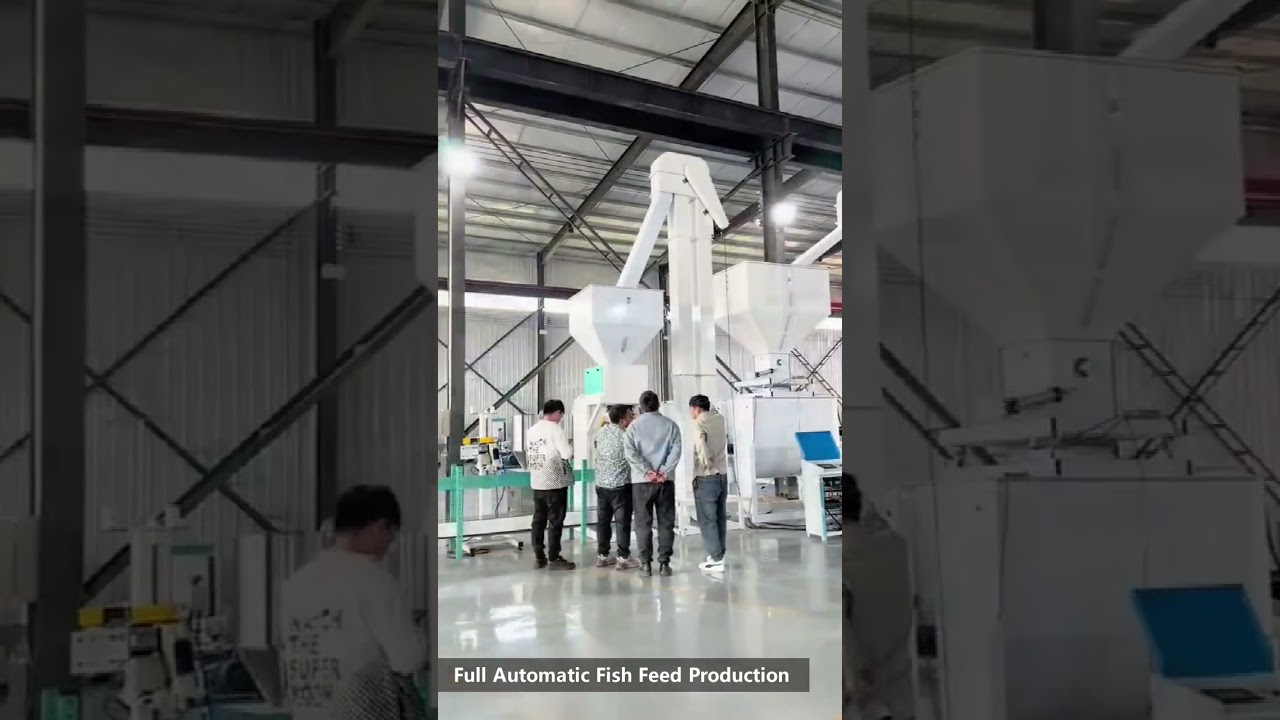

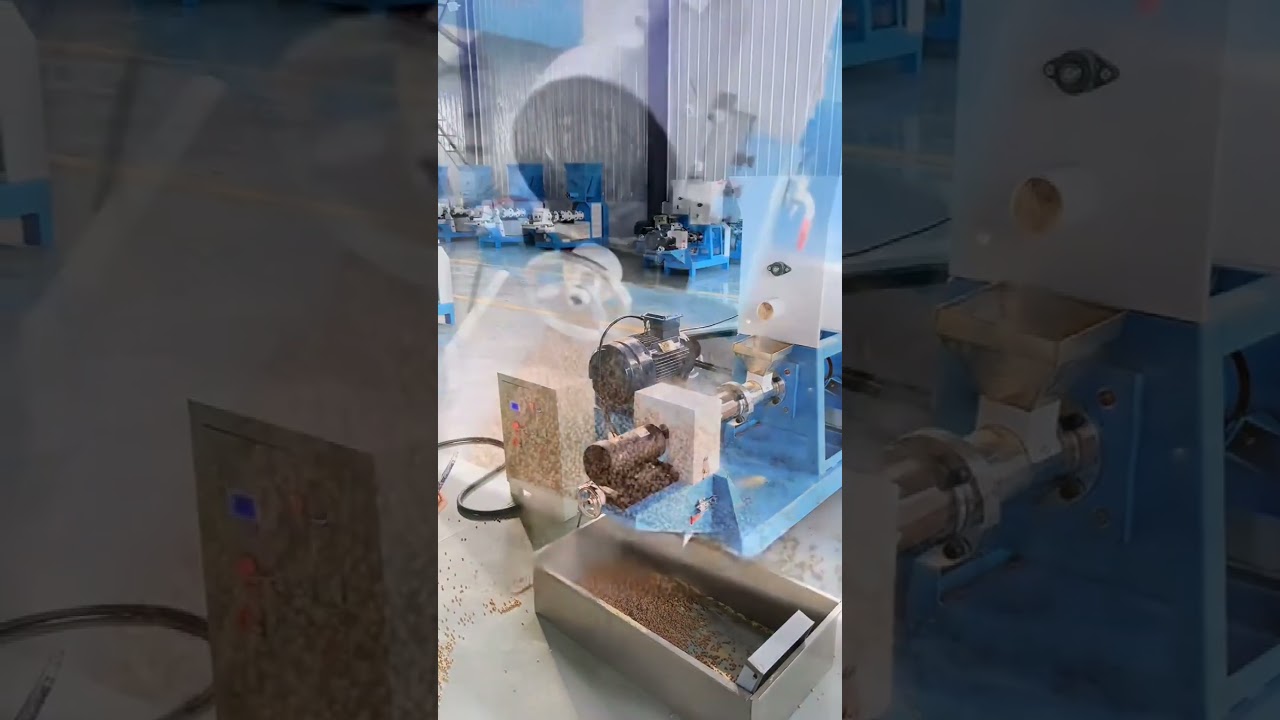
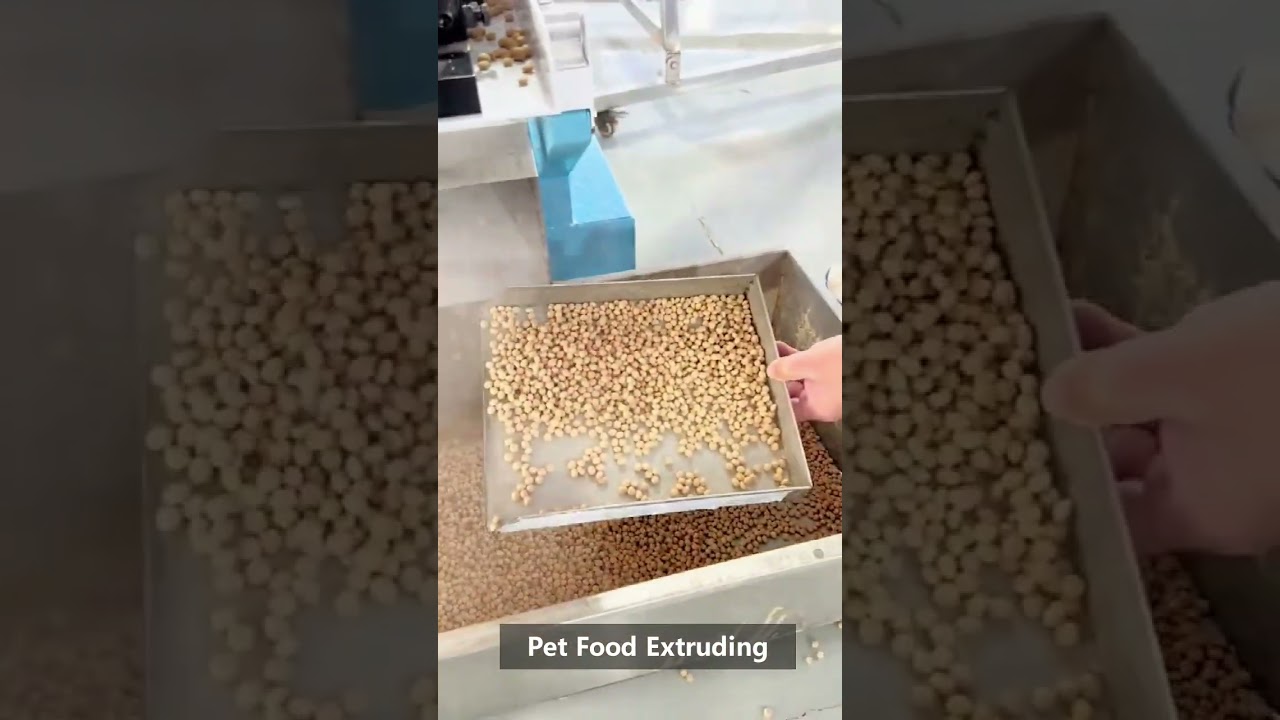
Shorts play vertically — tap through to YouTube for the full clip and more from the @PelletMachines channel.
Ring Die Aquatic Feed Pellet Mill Questions
What is the price of an HM-series aquatic feed pellet mill?
How long will the pellets actually stay intact in water?
Can the same machine make poultry feed as well as fish feed?
Can it make floating fish feed?
How fine must the raw material be ground?
What steam supply do I need?
Do you supply the complete aquatic line?
What is the delivery time and warranty?
Planning an aquatic feed line?
Tell us the species, target T/H, pellet diameter and required water stability. You get a model, conditioner specification, full equipment list and budget within 12 hours. Send the details to info@pelletmachines.net or WhatsApp +86 186 0385 1787 — engineers reply within 12 hours.
Aquatic Feed Equipment and Complete Lines
- Fish Feed Pellet Machine (Extruder)
- Dry Type Fish Feed Extruder
- Wet Type Fish Feed Pellet Mill
- Fish Feed Pellet Production Line
- Standard Ring Die Pellet Mill
- Feed Pellet Cooler
- Feed Pellet Coating Machine
- Vibrating Grading Sieve
- Ultra Fine Feed Hammer Mill
- Automatic Batching System
- 5 Sets Extruder to Ghana
- DGP70 Wet Line to Nigeria
Get Your Aquatic Model, Conditioner Spec and Water-Stability Guarantee
Since 2006 we have built aquatic feed lines for shrimp and fish producers in more than 100 countries. Send the species, tonnage and pellet size — you get a model, conditioner configuration, full line layout and investment range within 12 hours.


